

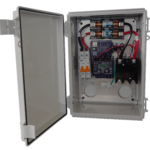
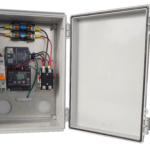
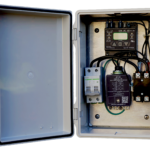
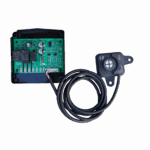
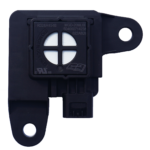
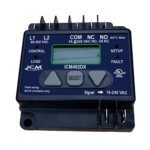
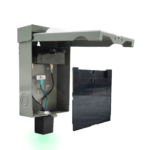
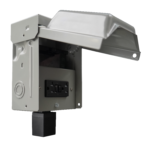
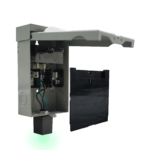
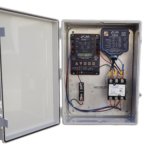
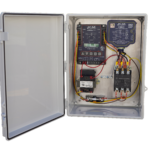
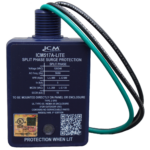
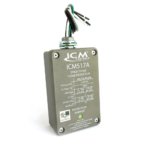
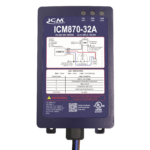
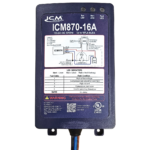
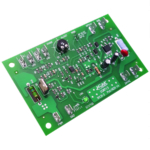
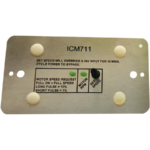
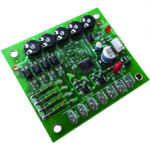
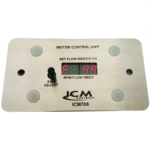
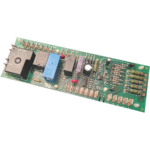
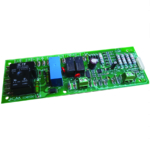
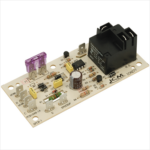
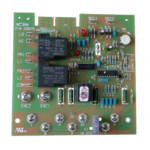
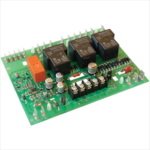
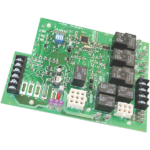
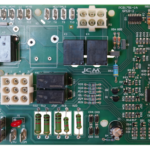
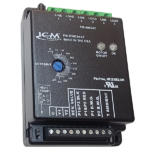
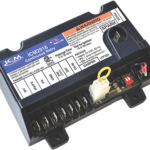
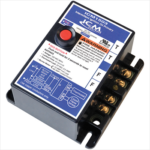
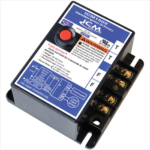
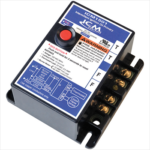


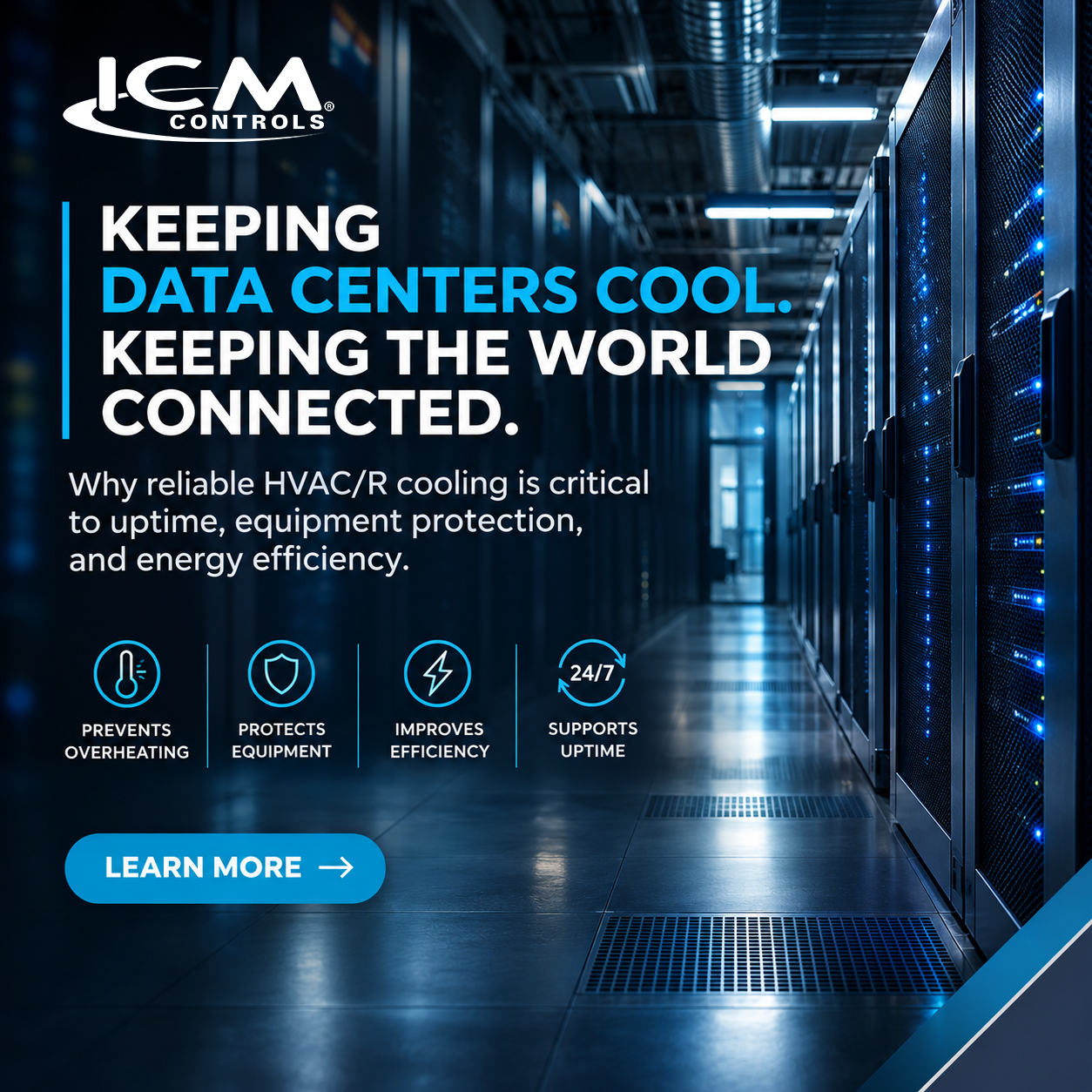
Keeping Data Centers Cool. Keeping the World Connected.
Servers and networking equipment generate substantial heat, making precise temperature management essential for reliable operations. Even a brief cooling disruption can create significant challenges, including equipment overheating, reduced performance, and unexpected downtime.
That’s why dependable HVAC/R controls play such an important role in maintaining data center cooling performance.
Why Cooling Reliability Is Critical in Data Centers
Unlike traditional commercial buildings, data centers operate with demanding thermal loads that require continuous cooling and carefully managed environmental conditions.
As computing demands increase, particularly with the expansion of AI and high-density server environments, cooling systems must be capable of responding to changing conditions without compromising performance.
When cooling systems fail, the consequences can extend beyond uncomfortable temperatures.
Potential impacts include:
- Equipment Overheating: Excessive heat can damage sensitive servers, networking equipment, and other critical components.
- Unexpected Downtime: Cooling disruptions can trigger equipment shutdowns and interrupt essential services.
- Increased Energy Consumption: Inefficient cooling operation can drive up electricity usage and operating expenses.
- Reduced Equipment Lifespan: Repeated exposure to elevated temperatures and thermal stress can contribute to premature equipment wear.
Maintaining reliable cooling requires more than properly sized equipment. It also depends on the controls responsible for monitoring, protecting, and coordinating HVAC/R system operation.
How HVAC/R Controls Help Prevent Cooling Failures
HVAC/R controls help maintain system reliability by managing equipment operation, responding to changing conditions, and protecting critical components.
From temperature controllers to protective relays and time delays, these components support consistent cooling performance and help reduce the risk of avoidable system interruptions.
1. Maintaining Consistent Temperature Control
Precise temperature regulation is essential in data center environments.
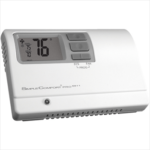
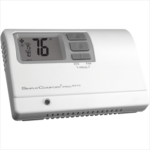
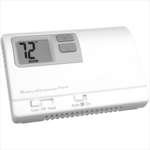
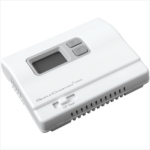
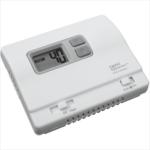
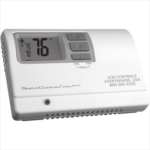
Temperature controllers monitor conditions and help regulate cooling equipment to maintain appropriate operating temperatures. When properly selected and configured, these controls can help prevent excessive temperature fluctuations and support stable cooling performance.
For data centers, maintaining consistent thermal conditions helps protect sensitive equipment while supporting efficient operations.
2. Protecting Against Electrical Disturbances
Cooling systems rely on electrical equipment, including compressors, motors, fans, and control circuits.
Electrical disturbances such as voltage fluctuations, phase loss, or phase imbalance can affect the operation of three-phase equipment and potentially lead to costly failures.
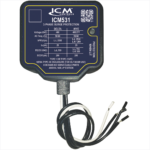
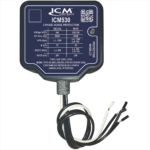
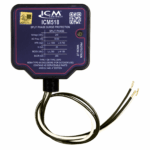
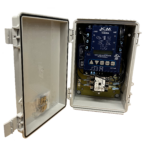
Appropriately selected voltage and phase monitoring controls can help detect abnormal electrical conditions and initiate protective actions before equipment damage occurs.
This additional layer of protection can be especially valuable in facilities where cooling reliability is critical to business continuity.
3. Reducing Compressor Short Cycling
Compressors are essential components in many HVAC/R cooling systems.
Frequent starting and stopping, commonly known as short cycling, can increase mechanical and electrical stress on compressor components.
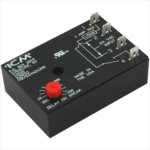
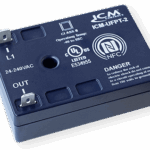
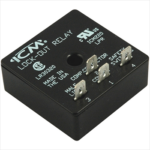
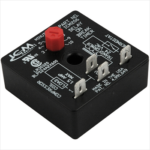
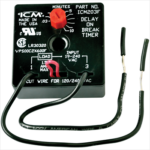
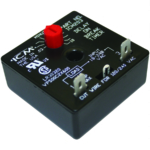
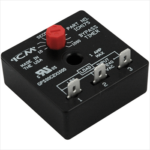
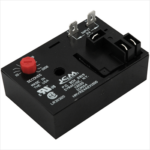
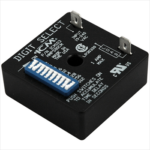
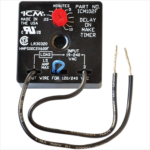
Time delay controls help manage equipment restart intervals and prevent rapid cycling under certain operating conditions.
By supporting proper compressor operation, these controls can help reduce unnecessary wear and contribute to long-term system reliability.
4. Supporting Reliable Equipment Operation
Data center cooling systems often incorporate multiple pieces of equipment that must operate together to maintain the required cooling capacity.
Control relays, timers, and monitoring devices can help coordinate equipment functions and support consistent operation.
When integrated into a properly designed system, these components can help reduce operational disruptions and support dependable cooling performance.
5. Improving Energy Efficiency
Data centers consume significant amounts of electricity, and cooling represents an important portion of facility energy demand.
Effective HVAC/R controls can help equipment operate according to system requirements rather than running unnecessarily.
Through appropriate temperature regulation, equipment sequencing, and operational control, facilities can reduce avoidable energy consumption while maintaining required cooling conditions.
However, energy efficiency must always be balanced with the redundancy and reliability requirements of mission-critical environments.
The Importance of Preventive Maintenance
Even the most carefully designed cooling system requires regular inspection and maintenance.
HVAC/R technicians and facility maintenance teams play a vital role in identifying potential issues before they result in equipment failures.
Routine maintenance should include:
- Verifying temperature sensors and controller settings.
- Inspecting electrical connections and protective devices.
- Checking compressor operation and restart timing.
- Testing alarms and monitoring functions.
- Reviewing system performance for signs of abnormal operation.
- Confirming that backup cooling equipment and redundancy systems function as intended.
Proactive maintenance, combined with dependable controls, helps reduce the likelihood of unexpected cooling interruptions.
Choosing the Right HVAC/R Controls for Critical Applications
Not all HVAC/R applications have the same operating requirements.
In data centers, selecting appropriate control components requires careful consideration of equipment specifications, electrical conditions, environmental demands, and system design.
HVAC/R professionals should prioritize controls that offer:
- Dependable Operation: Consistent performance under specified operating conditions.
- Equipment Protection: Features designed to respond to potentially damaging electrical or operational conditions.
- Application Compatibility: Appropriate ratings and functionality for the equipment being controlled.
- Ease of Installation and Service: Practical solutions that support efficient installation, troubleshooting, and maintenance.
Control components should be selected as part of the overall cooling system design, with consideration for monitoring, redundancy, and fault response requirements.
Supporting HVAC/R Reliability with ICM Controls
At ICM Controls, we understand the importance of dependable HVAC/R system operation.
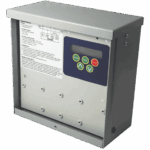
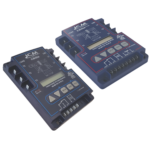
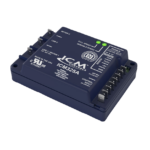
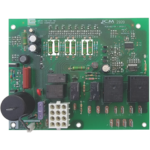
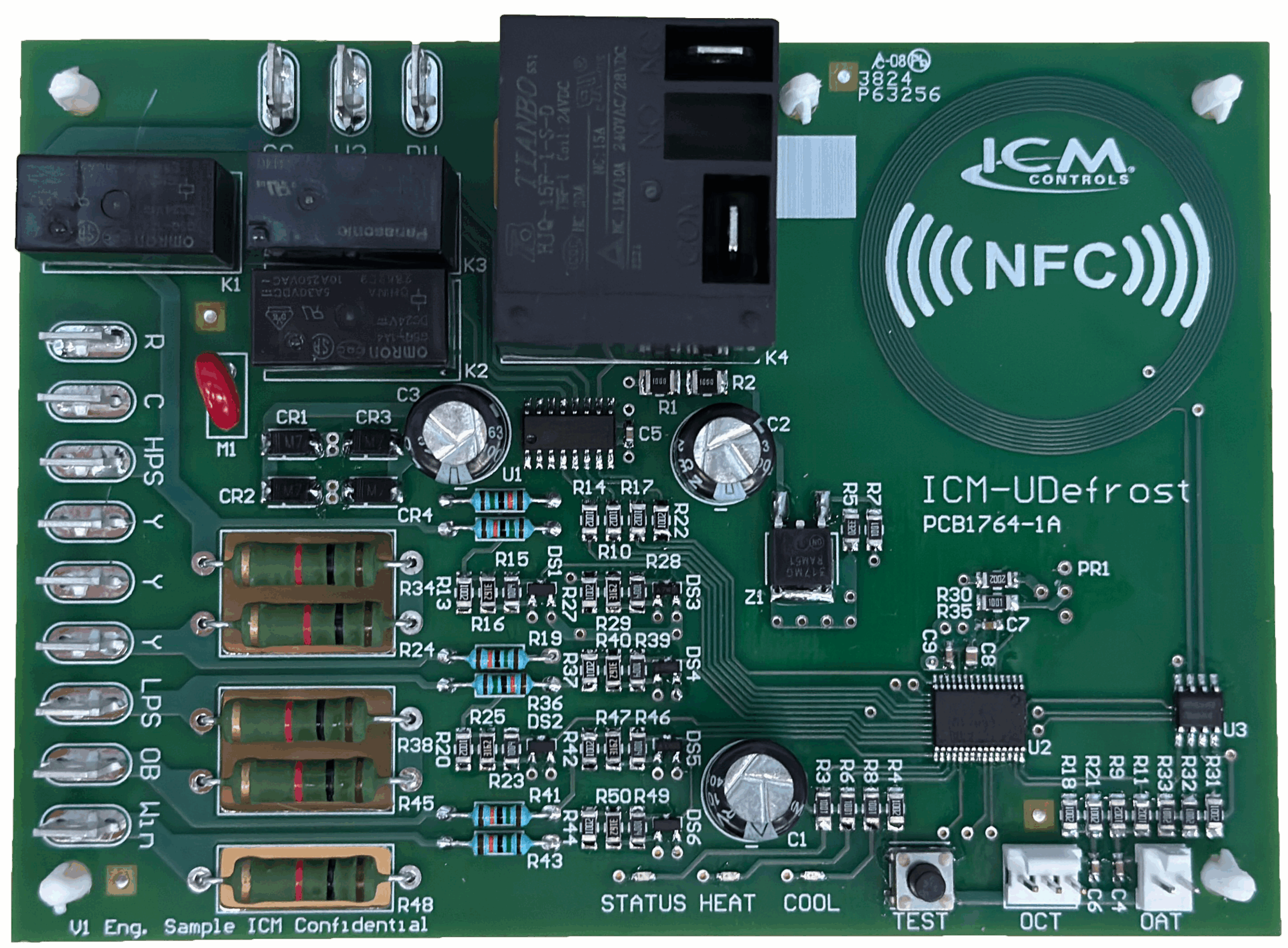
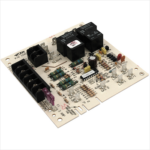
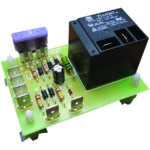
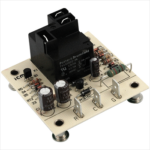
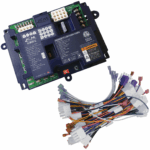
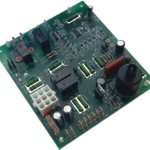
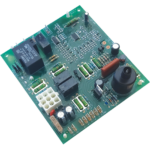
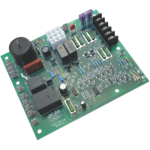
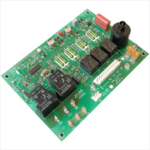
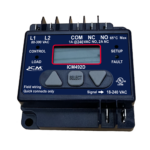
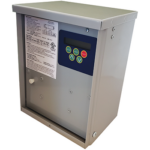
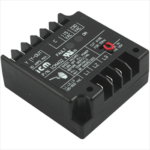
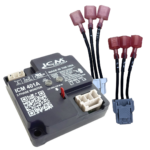
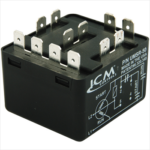
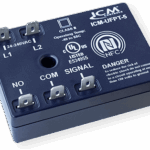
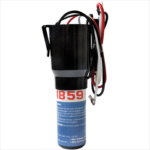
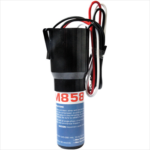
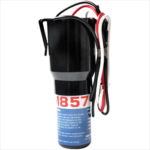
Our range of HVAC/R control solutions includes products designed to support temperature regulation, equipment protection, timing functions, and electrical monitoring across a variety of applications.
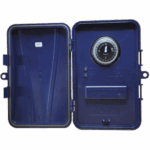
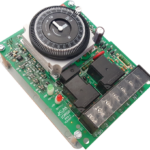
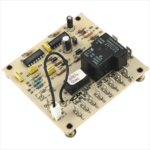
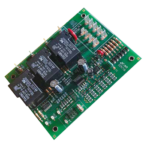
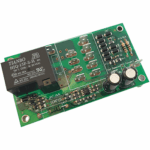
From time delay relays and voltage monitoring devices to temperature controls and other HVAC/R components, selecting the right controls can help HVAC/R professionals protect equipment and support reliable system performance.
As data center infrastructure continues to evolve, dependable HVAC/R controls remain an important part of maintaining cooling reliability.
Reliable Cooling Starts with Reliable Controls
Data centers depend on continuous cooling to protect valuable equipment, maintain performance, and support uninterrupted digital operations.
While cooling system design, redundancy, and preventive maintenance are essential, HVAC/R controls provide an important layer of operational management and equipment protection.
Reliable cooling isn’t just about maintaining temperatures. It’s about protecting critical infrastructure, supporting efficiency, and keeping the systems that power our connected world running.
Explore HVAC/R control solutions from ICM Controls and discover how the right components can support dependable equipment operation.
Visit www.icmcontrols.com to learn more.