



What HVAC/R Contractors and Homeowners Need to Know
Across the United States, growing electricity demand, aging infrastructure, extreme weather, and changes in how power is generated are creating new challenges for the electrical grid.
For HVAC/R professionals, these changes are particularly important. Heating and cooling equipment depends on reliable electricity, and electrical disturbances can affect everything from system performance to sensitive electronic controls.
The good news? While we can’t control everything happening on the grid, there are practical steps contractors and homeowners can take to help protect HVAC/R equipment, improve efficiency, and prepare for unexpected disruptions.
1. What’s Putting Pressure on the Electrical Grid?
The electrical grid is responsible for delivering power from generating facilities to homes, businesses, and industrial operations. Maintaining that balance becomes more complicated as electricity consumption increases and infrastructure evolves.
Several factors are driving these changes.
Rising electricity demand – Our dependence on electricity continues to grow. Data centers, artificial intelligence, manufacturing, electric vehicles, and increasingly electrified buildings are contributing to higher demand in many regions. According to the U.S. Energy Information Administration’s October 2026 outlook, electricity consumption increased 4% nationwide during the third quarter of 2026 compared with the same period in 2025, with hot weather contributing to greater cooling demand. U.S. Energy Information Administration (EIA)
For HVAC/R contractors, this raises an important consideration: heating and cooling systems are both affected by grid conditions and contributors to electricity demand.
Aging Infrastructure
Much of the nation’s electrical infrastructure must be maintained, upgraded, or expanded to meet changing demand.
Transmission lines, transformers, substations, and distribution equipment all play a role in delivering dependable electricity. As components age or become capacity-constrained, utilities face additional challenges maintaining reliable service.
The U.S. Department of Energy identifies aging infrastructure and growing electricity demand among the major challenges facing grid modernization. Department of Energy
Extreme Weather
Heat waves, winter storms, hurricanes, and other severe weather events can place significant stress on the electrical grid.
During a heat wave, air conditioners may operate for extended periods, increasing electricity demand. During winter storms, damage to power lines or equipment can interrupt service when heating is needed most.
This creates a difficult combination: electricity demand may be elevated at the same time that weather conditions threaten the infrastructure delivering it.
Changes in Electricity Generation
The electricity supply is also evolving as utilities incorporate different generation sources, including solar, wind, natural gas, and energy storage.
These technologies offer opportunities to diversify energy resources, but they also introduce new planning and operational requirements.
For example, solar and wind generation vary with weather conditions, requiring grid operators to coordinate generation, storage, transmission, and flexible electricity demand.
The challenge isn’t simply generating enough electricity. It’s ensuring power is available when and where customers need it.
2. Why Grid Reliability Matters for HVAC/R Systems
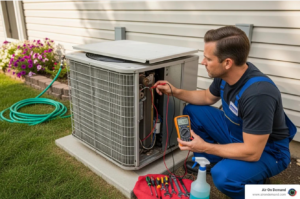
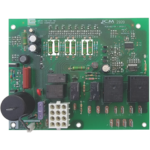
Modern HVAC/R equipment relies on more than mechanical components. Electronic controls, sensors, motors, compressors, and communication systems all depend on appropriate electrical conditions.
When electrical power becomes unstable, equipment may experience operational problems.
- Voltage fluctuations: Voltage outside the equipment’s acceptable operating range can contribute to motor overheating, control faults, contactor problems, or compressor damage, depending on the severity and duration of the disturbance.
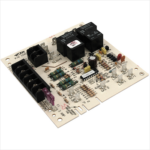
- Power surges: Transient over voltages, including those associated with lightning and electrical switching, can damage sensitive electronics such as control boards and communication components.
- Unexpected outages: Power interruptions stop electrically powered heating and cooling equipment. Even gas furnaces typically require electricity for ignition controls, blowers, and safety circuits.
- Frequent cycling and restarts: Repeated interruptions or rapid restart attempts can place additional stress on certain HVAC/R components, particularly compressors.
Not every electrical disturbance causes damage, and grid-wide demand growth does not automatically mean poor power quality at a particular home. However, understanding these risks helps contractors identify appropriate protective measures.
3. How HVAC/R Contractors Can Help Protect Equipment
HVAC/R professionals have an opportunity to help customers prepare for electrical disturbances before they result in expensive service calls or equipment downtime.
- Evaluate electrical conditions during service
- Routine maintenance provides an opportunity to identify potential electrical concerns.
- Contractors should consider checking supply voltage under appropriate operating conditions, inspecting electrical connections, evaluating contactors and capacitors, and verifying that equipment operates within manufacturer specifications.
- Where symptoms suggest intermittent power-quality problems, additional monitoring or evaluation by a qualified electrician may be appropriate.
- Consider surge protection
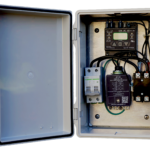
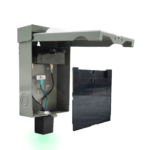
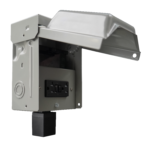
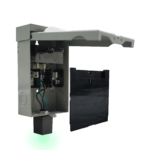
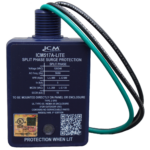
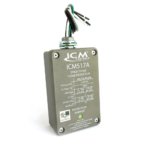
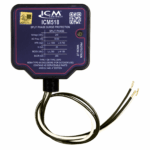
- Surge protective devices (SPDs) can help limit transient over voltages reaching HVAC/R equipment.
- Depending on the installation, protection may be provided at the electrical service, equipment disconnect, or another appropriate location.
- A properly selected SPD can help reduce certain electrical risks, but it does not prevent outages, correct sustained low voltage, or guarantee protection from every surge.
- Incorporate voltage monitoring and protective controls
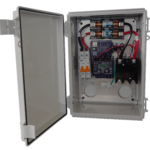
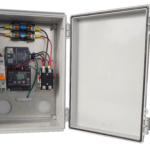
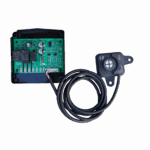
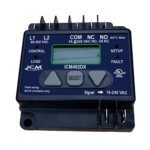
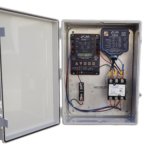
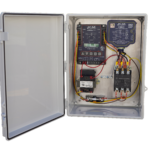
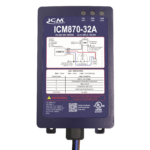
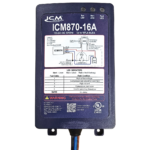
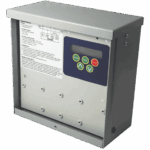
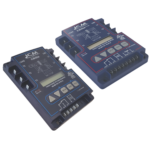
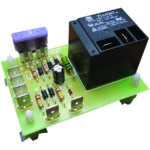
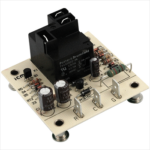
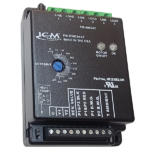
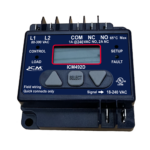
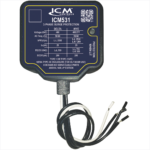
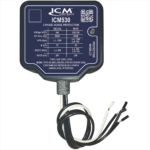
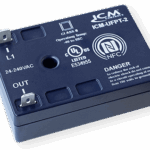
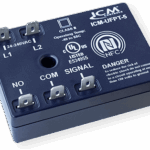
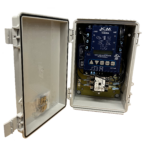
- Appropriately selected voltage-monitoring and protective controls can provide an additional layer of equipment protection.
- Depending on the application, these controls may help detect unacceptable voltage conditions, interrupt equipment operation when necessary, and allow a controlled restart once acceptable conditions return.
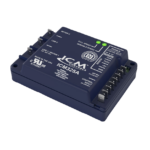
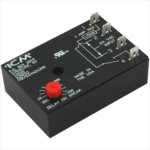
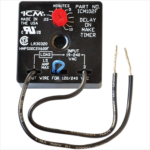
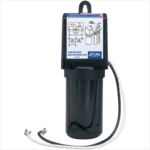
- For compressor-driven systems, anti-short-cycle timing can be particularly valuable in preventing rapid restart attempts following a power interruption.
- Any protective device must be compatible with the equipment, properly rated, and installed according to manufacturer instructions and applicable electrical codes.
4. What Can Homeowners Do to Prepare?
Homeowners don’t need to become electrical experts to make meaningful improvements. A few proactive decisions can help reduce energy waste, support equipment longevity, and improve preparedness.
- Schedule regular HVAC maintenance: Have your heating and cooling equipment inspected before peak heating and cooling seasons. Routine service helps identify developing issues and maintain efficient operation.
- Reduce unnecessary heating and cooling demand: Replace dirty filters, seal air leaks, improve insulation, and address duct leakage. Reducing heating and cooling loads can help lower electricity consumption.
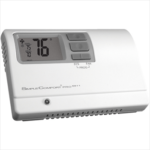
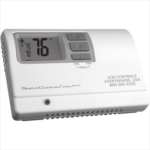
- Use thermostat settings strategically: A compatible smart thermostat can help manage energy use based on schedules, occupancy, and comfort preferences. Some models can also participate in optional utility demand-response programs.
- Ask about electrical protection: Discuss surge protection, voltage monitoring, and appropriate compressor restart delays with a qualified HVAC/R contractor or electrician.
- Develop a power outage plan: Know how your heating and cooling equipment responds after an outage. For households considering backup power, work with qualified professionals to evaluate equipment starting loads, electrical capacity, and safe transfer equipment.
Importantly, homeowners should never connect a portable generator directly to household wiring without approved transfer equipment or operate fuel-powered generators indoors or near openings.
5. Preparing for the Future Starts with the Equipment We Use Today
Grid modernization will take time, and the challenges facing the electrical system won’t disappear overnight.
But preparing for the future doesn’t always require replacing an entire heating or cooling system.
For contractors, it can begin with educating customers about power quality, verifying electrical conditions, and recommending suitable protection where appropriate.
For homeowners, it can mean scheduling preventive maintenance, reducing unnecessary energy consumption, and asking informed questions about protecting their equipment.
At ICM Controls, we understand the important role that electronic controls play in HVAC/R system operation. As electrical infrastructure and energy demands continue to evolve, thoughtful control strategies and preventive maintenance will remain essential parts of supporting equipment reliability.
The electrical grid may be changing, but one thing remains constant: dependable heating and cooling starts with understanding the systems—and the power—that keep us comfortable.
Talk with a qualified HVAC/R professional about preventive maintenance, electrical protection, and control solutions that may help safeguard your heating and cooling investment.
Explore HVAC/R control solutions at ICM Controls.