



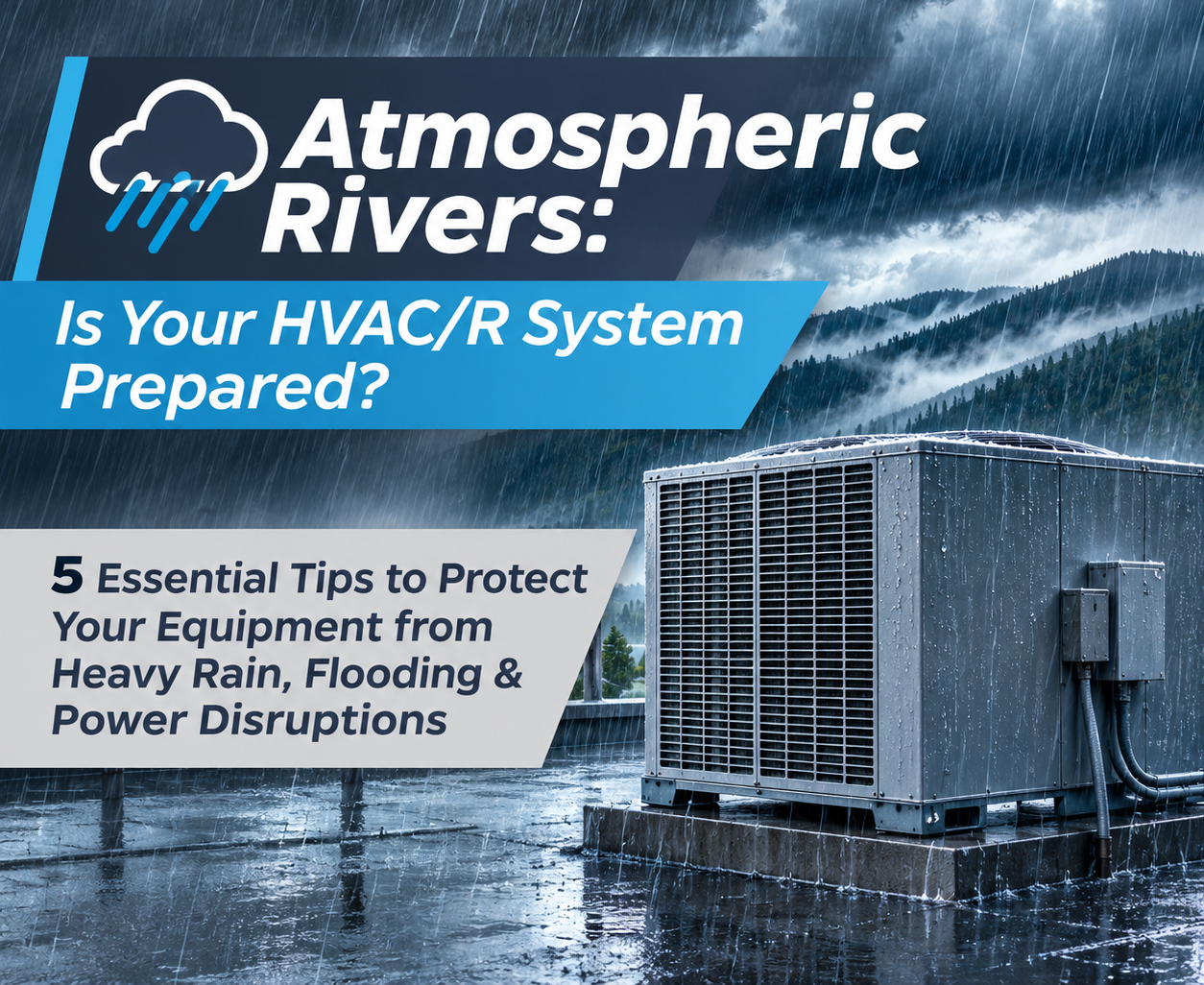
Extreme weather events can create significant challenges for HVAC/R systems, especially when prolonged periods of heavy rainfall and flooding are involved. One weather phenomenon that can have a major impact on equipment performance and reliability is an atmospheric river.
Atmospheric rivers can deliver enormous amounts of moisture over a relatively short period, increasing the risk of flooding, water intrusion, electrical damage, and unexpected equipment failures.
For HVAC/R technicians, facility managers, and building owners, understanding these weather events and taking proactive steps to protect equipment can make all the difference.
What Is an Atmospheric River?
An atmospheric river is a long, narrow band of concentrated water vapor that moves through the atmosphere, transporting moisture from tropical or subtropical regions to other parts of the world.
Often referred to as “rivers in the sky,” atmospheric rivers can carry tremendous amounts of moisture across thousands of miles.
When this moisture-rich air encounters mountains, weather fronts, or other conditions that force it to rise, the air cools and water vapor condenses, producing rain or snow.
Atmospheric rivers are a natural part of the Earth’s water cycle and play an important role in replenishing reservoirs, supporting agriculture, and maintaining regional water supplies.
However, stronger atmospheric rivers can also produce severe weather conditions, including:
- Prolonged heavy rainfall: Significant precipitation over several hours or days can overwhelm drainage systems.
- Flash flooding and standing water: Excessive rainfall can lead to localized flooding, particularly in low-lying areas.
- Strong winds: Some atmospheric river events are accompanied by powerful storm systems that can damage exposed equipment.
- Power outages: High winds, flooding, and storm-related infrastructure damage can disrupt electrical service.
- Heavy snowfall: In colder regions and at higher elevations, atmospheric rivers can produce substantial snowfall, creating additional challenges for outdoor HVAC/R equipment.
Although atmospheric rivers are especially common along the West Coast of the United States, they can affect other regions as well.
How Can Atmospheric Rivers Impact HVAC/R Equipment?
HVAC/R systems are designed to operate in a variety of environmental conditions, but extreme weather can expose equipment to additional risks.
During an atmospheric river event, excessive rainfall, high humidity, flooding, and electrical disruptions can compromise system performance and reliability.
Water Intrusion and Electrical Damage
Heavy rainfall and flooding can allow moisture to enter electrical enclosures, control panels, wiring connections, and other sensitive components.
When electrical components are exposed to water, they may experience corrosion, short circuits, insulation damage, or premature failure.
Drainage System Overload
Condensate drainage systems and surrounding building drainage infrastructure can become overwhelmed when debris, blockages, or excessive water accumulation interfere with proper drainage.
Poor drainage can contribute to water damage, equipment shutdowns, and additional maintenance requirements.
Power Surges and Electrical Interruptions
Severe storms can cause unexpected power outages, voltage fluctuations, and electrical surges.
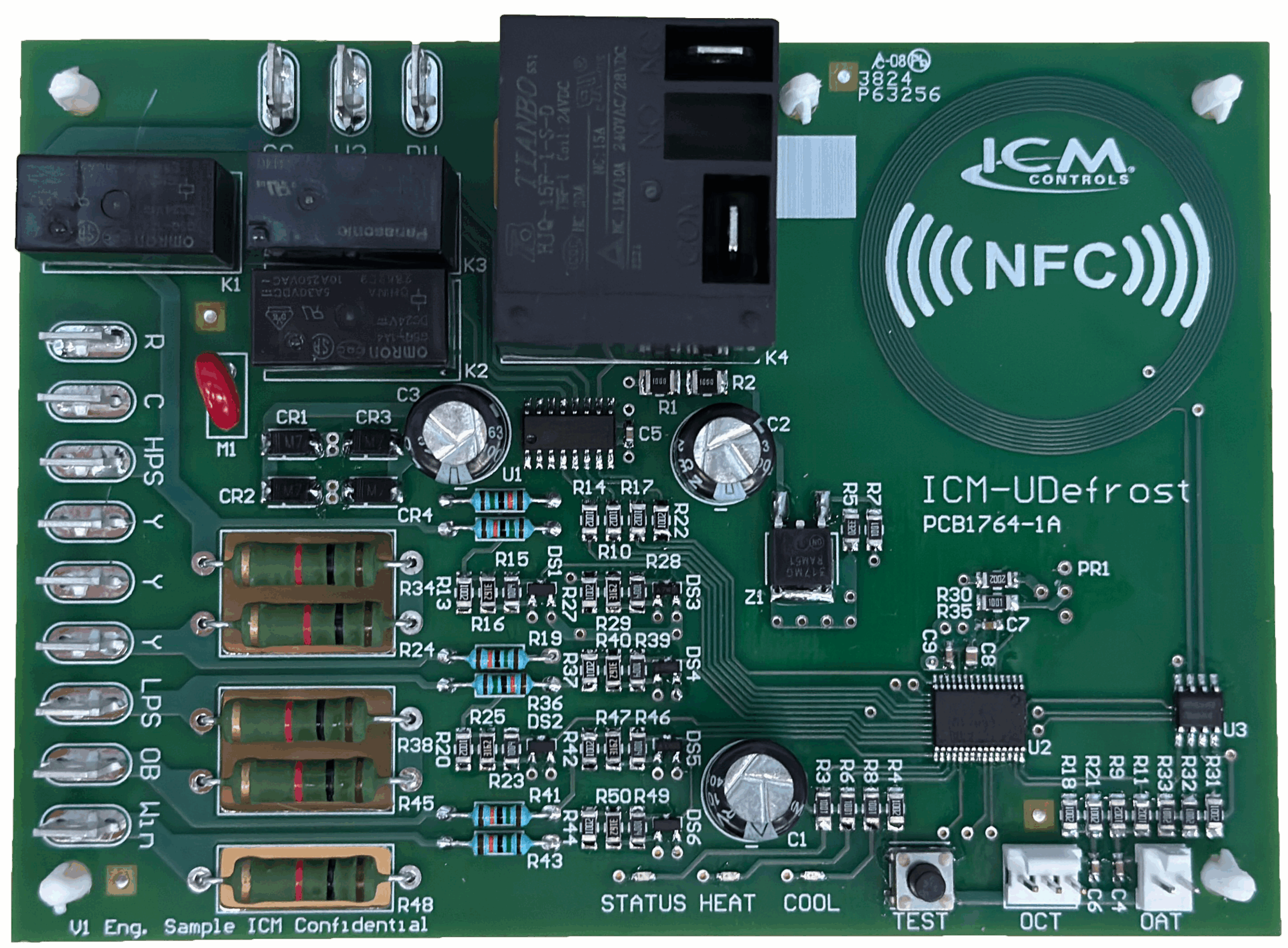
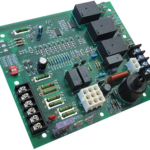
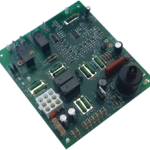
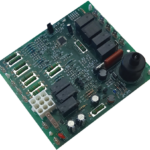
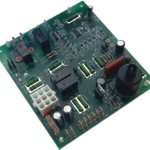
These disruptions can damage sensitive electronic controls, circuit boards, motors, and other electrical components if adequate protection is not in place.
Outdoor Equipment Exposure
Condensing units, rooftop HVAC systems, and refrigeration equipment installed outdoors may be exposed to standing water, wind-driven rain, and storm debris.
Flooding can damage motors, electrical connections, and other components, while high winds may create additional mechanical hazards.
Refrigeration System Reliability
Commercial refrigeration systems play an essential role in maintaining safe temperatures for food, pharmaceuticals, and other temperature-sensitive products.
Power interruptions and equipment failures during severe weather can jeopardize temperature control, potentially resulting in product loss and costly downtime.
5 HVAC/R Maintenance Tips to Prepare for Atmospheric Rivers
Taking preventive action before severe weather arrives can help technicians identify vulnerabilities and reduce the likelihood of equipment damage.
Here are five important steps to consider when preparing HVAC/R systems for atmospheric river conditions.
- Inspect and Clear Drainage Systems – Proper drainage is essential for protecting HVAC/R equipment and surrounding building infrastructure. Before heavy rainfall begins, inspect condensate drains, drain pans, and nearby drainage areas for blockages or debris.
- Protect Equipment Against Flooding – Outdoor HVAC/R equipment can be particularly vulnerable during prolonged periods of heavy rainfall. Inspect ground-mounted condensing units, rooftop systems, and other exposed equipment for potential water intrusion. Check that equipment is securely installed and that drainage around the installation area is adequate.
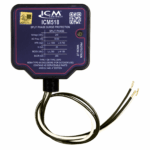
- Prepare for Power Surges and Electrical Interruptions – Electrical disturbances are a common concern during severe weather. Power outages, voltage fluctuations, and surges can affect sensitive HVAC/R electronics and system controls. Inspect existing surge protection devices and verify that electrical protection and safety controls are functioning properly.
- Inspect Electrical Components and Enclosures – Moisture intrusion can create serious problems for electrical equipment. Before a storm, inspect accessible electrical enclosures, wiring connections, and control panels for signs of wear, corrosion, or compromised weather seals. Pay particular attention to outdoor components exposed to wind-driven rain. Always follow proper electrical safety procedures, including lockout/tagout requirements, when performing inspections or maintenance.
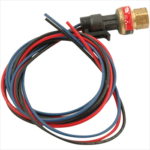
- Verify Refrigeration System Controls and Safety Devices – Reliable system controls are critical for maintaining safe operating conditions, particularly in commercial refrigeration applications. Pressure switches, temperature controls, and safety devices help protect equipment and maintain appropriate operating conditions. Before severe weather arrives, verify that these components are functioning as intended.
What Should Technicians Check After an Atmospheric River?
Once severe weather has passed and conditions are safe, a post-storm inspection can help identify damage before equipment is returned to normal operation.
Technicians should evaluate equipment for signs of water intrusion, accumulated debris, damaged electrical components, and other storm-related issues.
Important inspection areas include:
- Electrical components: Check for moisture, corrosion, and damaged connections.
- Outdoor equipment: Inspect for standing water, debris accumulation, and physical damage.
- Drainage systems: Confirm that condensate drains and surrounding drainage pathways are clear.
- System controls: Verify proper operation of safety devices, temperature controls, and other critical components.
- Equipment performance: Once the system is confirmed safe to operate, monitor its performance for abnormal conditions.
Important Safety Reminder: Never energize or restart flood-damaged HVAC/R equipment until it has been thoroughly evaluated by a qualified professional. Water exposure can create electrical hazards and damage components that may not show visible signs of failure.
Why Preventive HVAC/R Maintenance Matters During Extreme Weather
Atmospheric rivers highlight the importance of proactive maintenance and reliable system protection.
While technicians cannot control the weather, they can help reduce equipment vulnerabilities through routine inspections, preventive maintenance, and appropriate protective measures.
Identifying potential problems before severe weather arrives can help:
- Reduce the risk of unexpected equipment failures.
- Minimize costly repairs and operational downtime.
- Protect sensitive electrical components and system controls.
- Improve equipment reliability during challenging weather conditions.
- Support safer operation and faster recovery following severe weather.
For commercial facilities, refrigeration applications, and other operations that depend on reliable HVAC/R performance, preparation is especially important.
Stay Prepared with ICM Controls
At ICM Controls, we understand the importance of dependable HVAC/R system operation, especially when extreme weather creates additional challenges for technicians and equipment.
Reliable controls, electrical protection, and proactive maintenance all play an important role in helping HVAC/R systems operate safely and efficiently.
As atmospheric rivers and other severe weather events impact communities, taking the time to inspect and prepare equipment can help reduce the risk of unexpected failures.
A little preparation today can prevent costly downtime tomorrow.
Stay safe, stay prepared, and keep your HVAC/R systems operating reliably.
Explore HVAC/R controls and protection solutions from ICM Controls at www.icmcontrols.com.