



The best time to prepare for heating season isn’t when you’re standing in front of a furnace with a no-heat call and another appointment waiting. It’s before the first call comes in.
A little preparation now can mean faster diagnostics, fewer trips to the supply house, and more confident service calls throughout the season.
Before heating calls start filling your schedule, here are five things to do.
1. Refresh Yourself on the Heating Sequence of Operation
Before troubleshooting a system, you need to know what should happen.
For a typical gas furnace, a call for heat initiates a sequence involving components such as the inducer, pressure switch, ignition system, gas valve, flame-sensing circuit, and circulating blower. The exact sequence and timing vary by equipment and control, so always reference the manufacturer’s documentation for the system you’re servicing.
Understanding that sequence gives you a roadmap for troubleshooting.
Instead of immediately asking, “Which component failed?” ask:
“Where did the sequence stop?”
For example, if the inducer starts but ignition never occurs, that immediately narrows the troubleshooting path. If ignition occurs but the flame drops out, your diagnostic focus changes again.
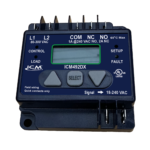
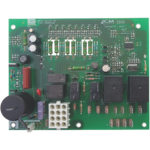
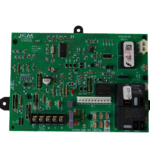
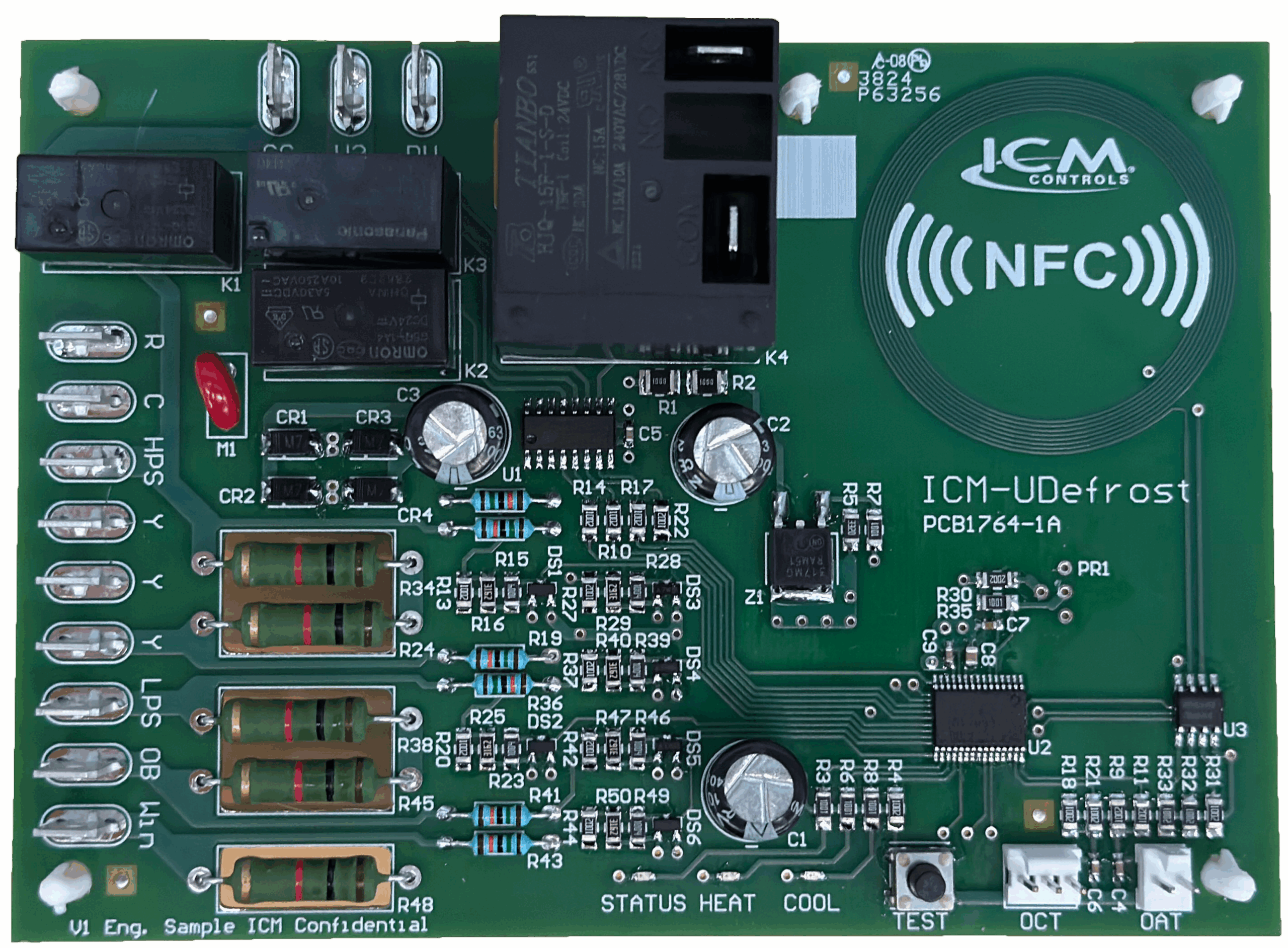
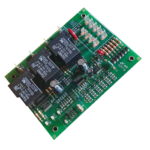
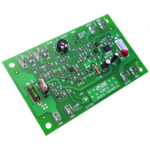
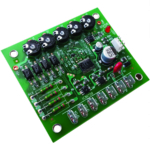
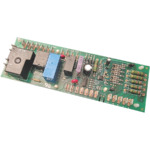
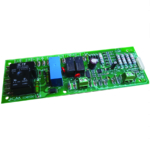
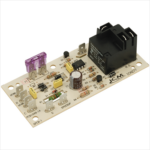
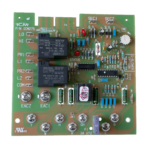
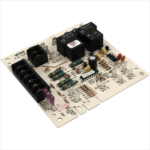
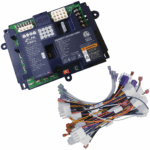
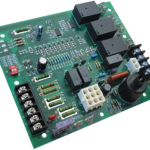
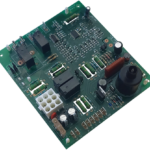
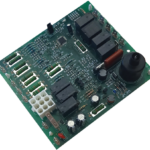
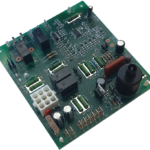
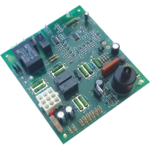
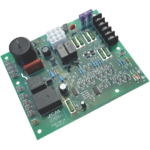
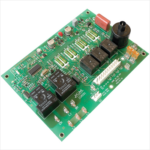
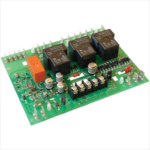
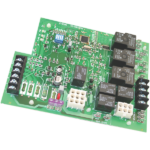
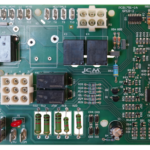
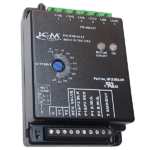
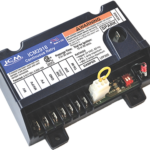
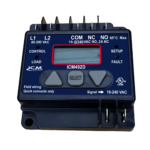
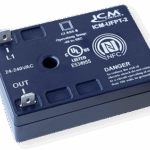
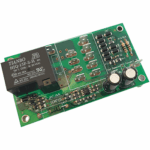
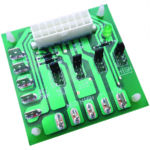
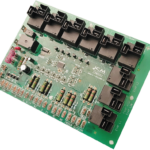
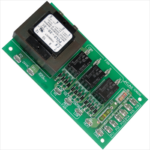
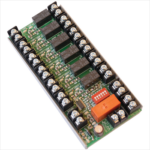
Modern furnace control boards can make that process even easier. Many ICM furnace controls monitor the ignition sequence, system safeties, and provide onboard LED diagnostics to help technicians identify fault conditions.
Before the season: Review common furnace sequences and familiarize yourself with the diagnostic codes for the controls you’re most likely to encounter.
2. Make Sure Your Meter and Your Troubleshooting Skills Are Ready
A replacement board shouldn’t be your first diagnostic tool.
Your meter should be.
Before condemning a control, verify the inputs and outputs that tell you whether the control is actually the source of the problem. Depending on the equipment and the issue, that may include checking:
- Incoming line voltage
- Transformer and 24 VAC control voltage
- Thermostat calls
- Safety circuits and switches
- Igniter operation
- Gas valve output
- Flame-sensing circuit
- Blower and inducer outputs
- Grounds, connections, and wiring condition
A control board can appear to be the problem when it’s actually responding to a fault somewhere else in the system.
That distinction matters. ICM Technical Support emphasizes root-cause analysis—determining whether a failed component is the actual problem or a symptom of a larger system-level issue.
Before heating season, inspect your meter, leads, probes, clamps, and other electrical diagnostic equipment. Replace worn or damaged equipment and refresh yourself on any measurements you haven’t performed recently.
And, of course, follow applicable electrical-safety procedures and the equipment manufacturer’s service instructions.
3. Know How to Read the Control Board
That blinking LED isn’t just a light. It’s information.
Many modern furnace control boards use onboard LEDs to communicate operating status and fault conditions. ICM furnace controls, for example, use diagnostic flash codes to help identify problems during troubleshooting.
Before replacing anything, observe the system.
What happens when the thermostat calls for heat? Does the inducer energize? Does the pressure switch prove? Does ignition begin? Does the gas valve energize? Is flame established and proven? Does the blower start?
Then check the board.
Record the fault code before cycling power, because resetting the system may clear information that could have helped identify the original failure.
Also inspect the board and surrounding wiring for obvious signs of trouble, including loose terminals, damaged connectors, corrosion, overheated components, poor grounding, or evidence of electrical damage.
Use the board’s diagnostics as part of your troubleshooting process, not as a substitute for it.
4. Stock the Truck Before Everyone Needs the Same Parts
The middle of a no-heat call is not the ideal time to discover you don’t have the replacement control you need.
Before the season begins, review your truck stock and talk with your distributor about the furnace controls and ignition components you’re most likely to encounter in your market.
Pay particular attention to replacement furnace controls.
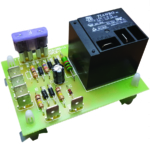
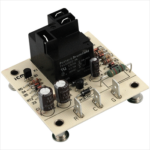
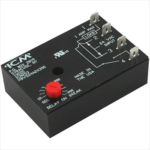
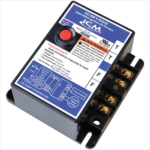
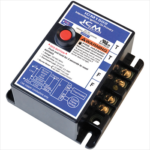
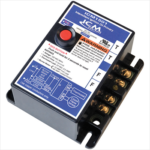
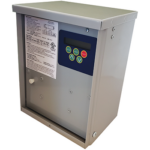
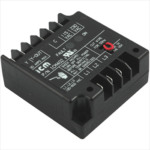
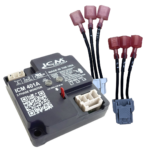
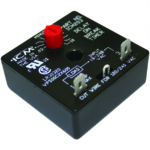
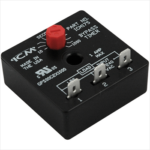
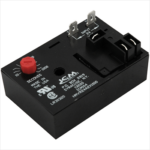
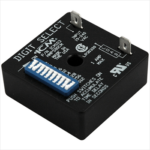
Many ICM furnace control boards are designed as form, fit, and functional replacements for specific OEM controls. ICM also provides cross-reference resources to help contractors identify appropriate replacement options.
Before heading into the field, make sure you know:
- Which replacement controls you regularly use
- Which OEM controls they replace
- Their voltage and load requirements
- Whether the application uses spark or hot-surface ignition
- Blower and staging requirements
- Installation and setup requirements
- Where to find the installation guide and cross-reference information
A few minutes spent verifying compatibility at the shop or distributor counter can save a second trip once you’re on the job.
Never assume two boards are interchangeable because the terminals or connectors look similar. Verify the application and specifications before installation.
5. Know Where to Get Help Before You Need It
Even experienced technicians encounter unusual problems.
Intermittent failures, unexpected sequences, replacement-board questions, wiring differences, and hard-to-identify OEM controls can turn an otherwise straightforward service call into a lengthy troubleshooting session.
That’s why one of the best tools you can have going into heating season isn’t necessarily in your tool bag.
It’s knowing who to call.
ICM Technical Support works with contractors and distributors on product selection, cross-referencing, load compatibility, and system troubleshooting, including complex issues that require multi-step diagnostics.
Before the season gets busy, bookmark the resources you use most often and save important technical-support contacts in your phone.
ICM’s Resource Center provides access to application guides, sell sheets, cross-reference tools, product documentation, and additional technical resources.
For technical assistance, ICM Technical Support can be reached at 1-800-365-5525, Monday through Friday, 8:00 a.m.–5:00 p.m. EST.
Preparation Makes the First Cold Snap Easier
Heating season will always bring surprises. Preparation helps make sure you’re ready for them.
Before those first heating calls start coming in, take time to:
- Refresh the sequence of operation.
- Check your meter and diagnostic tools.
- Review control-board diagnostics and fault codes.
- Stock and cross-reference common replacement controls.
- Bookmark your technical resources and support contacts.
The objective isn’t simply to carry more parts. It’s to arrive at each call with the tools, product knowledge, and troubleshooting process needed to diagnose the system correctly.
When that first cold snap hits, you’ll be ready to get to work.
Need a Replacement Control or Technical Support?
Visit the ICM Controls Resource Center for product documentation, application guides, and cross-reference tools, or contact the ICM Technical Support team for assistance with product selection and troubleshooting.
Prepare now. Diagnose confidently. Keep the season moving.