




August heat waves put air-conditioning systems under maximum stress. Condensers run longer, compressors start under higher pressures, electrical cabinets stay hotter, and utility voltage may fluctuate during peak demand.
For HVAC contractors, the result is predictable: more calls involving weak capacitors, burned contactors, overheated wiring, and compressors that will not start.
Although the failed component may be easy to identify, replacing it without diagnosing the underlying cause can lead to repeat failures and costly callbacks.
Why HVAC Capacitors Fail in Extreme Heat
Capacitors provide the electrical support motors need to start and run properly. As capacitors age, heat gradually degrades their internal dielectric material and reduces capacitance.
During mild weather, a weakened capacitor may continue to operate. During an August heat wave, longer run times and difficult compressor starts can push it beyond its limit.
Common contributing conditions include:
- High condensing pressure
- Dirty condenser coils
- Weak or failing fan motors
- Low or unstable supply voltage
- Loose electrical connections
- Frequent short cycling
- Excessive compressor starting current
A failed capacitor should therefore be treated as a diagnostic starting point, not automatically as an isolated part failure.
Why Contactors Burn and Pit
Contactors carry line voltage to the compressor and condenser fan motor. Every opening and closing cycle creates a small amount of electrical arcing.
Over time, the contacts can become pitted or resistive. Once resistance increases, the contactor generates additional heat while carrying the load. Long cooling cycles during extreme weather accelerate this damage.
Contractors should inspect for:
- Burned or pitted contacts
- Excessive voltage drops across closed contacts
- Loose or discolored terminals
- Melted wire insulation
- Contactor chatter
- Low or unstable coil voltage
- Dirt, insects, or debris preventing full closure
A contactor may still pull in and appear operational while creating enough voltage drop to affect compressor performance.
Diagnose the System, Not Just the Failed Part
After finding a failed capacitor or contactor, verify the operating conditions that may have caused it.
Check:
- Line and load voltage
- Voltage drops across the contactor
- Compressor and fan-motor amperage
- Capacitor microfarad value and tolerance
- Compressor starting behavior
- Condenser airflow and coil condition
- Wire and terminal integrity
- Control voltage
- Evidence of short cycling
- Refrigerant-side operating conditions
This broader diagnostic process helps identify whether the component failed from normal aging or because another system problem accelerated the damage.
Protect Equipment from Unstable Voltage and Short Cycling
Heat waves can coincide with brownouts, voltage fluctuations, outages, and rapid power restoration. These events can place additional stress on contactors, capacitors, motors, and compressors.
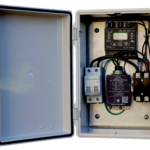
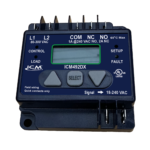
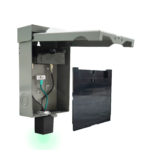
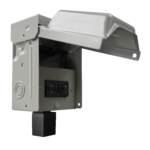
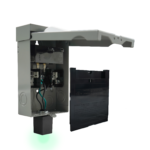
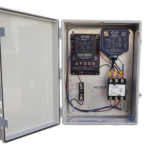
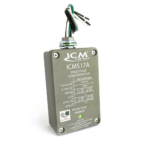
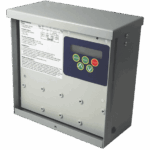
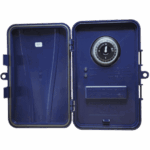
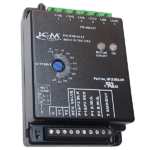
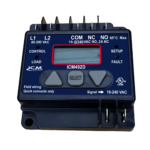
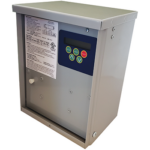
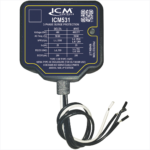
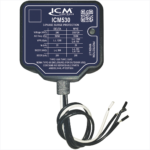
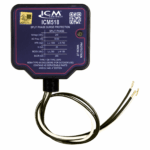
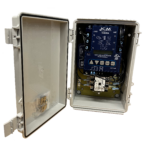
The ICM493 Line Voltage Monitor with Surge Protection helps protect single-phase equipment against overvoltage, undervoltage, rapid short cycling, and high-power surges. It includes a built-in 40-amp contactor, a backlit display, and fault-history memory that retains the five most recent faults. The outdoor-rated unit installs between the service disconnect and condensing equipment.
For larger single-phase systems, the ICM493-60A offers similar voltage monitoring and surge protection with a built-in 60-amp contactor.
The retained fault history can give contractors valuable diagnostic context. Instead of relying only on the conditions present when they arrive, technicians can review whether the equipment recently experienced an overvoltage, undervoltage, transient, or short-cycle event.
Reduce Compressor Starting Stress
A compressor that struggles to start can draw high current for an extended period, increasing stress on capacitors, contactors, wiring, and motor windings.
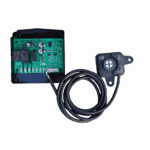
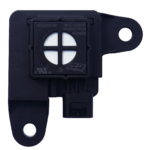
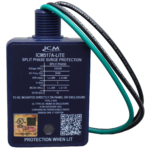
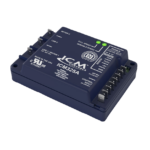
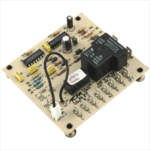
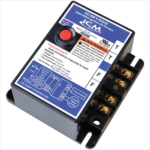
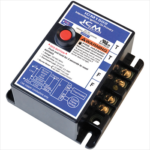
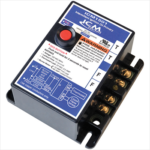
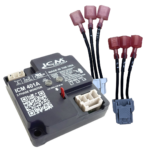
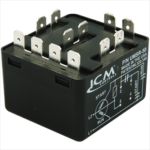
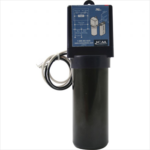
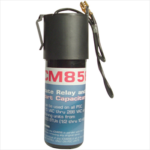
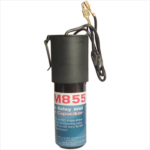
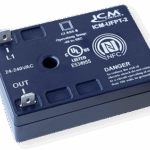
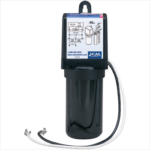
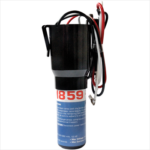
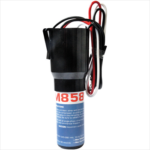
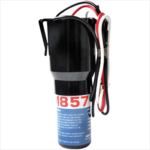
The ICM866U Universal Hard Start Kit uses differential-voltage sensing to engage and disengage the start capacitor. It is designed for 1/12- to 5-horsepower, 115- or 230-volt motor applications and self-adjusts as voltage conditions change.
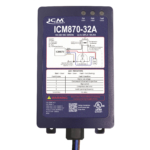
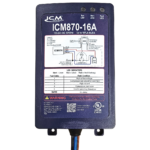
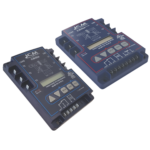
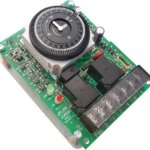
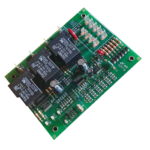
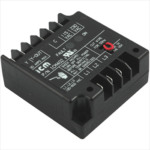
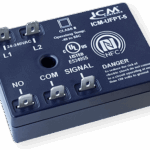
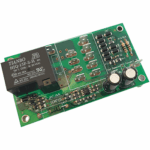
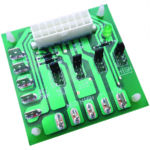
For applications requiring controlled inrush-current reduction, the ICM870 Soft Start Series can reduce startup current demand by as much as 70%. The controls use a self-learning algorithm and monitor voltage, current, compressor startup, and internal operation. LED indicators provide fault information, and a four-minute anti-short-cycle routine follows detected fault conditions. Models must be selected according to the compressor’s rated-load amperage.
Hard-start and soft-start devices should be applied according to equipment requirements and manufacturer instructions. They are not substitutes for correcting low voltage, failing motors, refrigeration problems, or damaged electrical connections.
Combine Multiple Layers of Equipment Protection
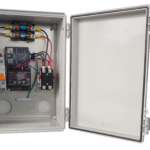
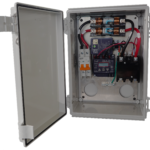
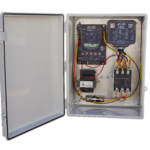
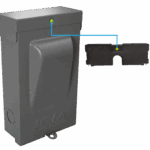
For installations requiring an integrated solution, the Sentry SmartFuse Sentry-SF-60A combines single-phase surge protection, programmable voltage monitoring, field-selectable overcurrent protection, an internal disconnect breaker, and a 60-amp contactor in one outdoor-rated enclosure.
Its voltage monitor includes a backlit display and five-fault memory, while the modular design allows individual ICM components to be serviced or replaced. Field-selectable 35- to 60-amp fuses allow the protection level to be matched to the equipment nameplate and applicable installation requirements.
Prevent the August Callback
When heat-wave service calls involve a capacitor or contactor, avoid stopping at the obvious failure.
Measure the load, examine the connections, verify airflow, evaluate voltage quality, and determine how the compressor is starting. Then consider whether voltage monitoring, surge protection, short-cycle protection, or an appropriately selected motor-starting solution can help address the application.
A thorough diagnosis does more than restore cooling. It helps protect the compressor, reduces repeat failures, and gives the customer a more durable repair during the hardest-working weeks of the cooling season.